
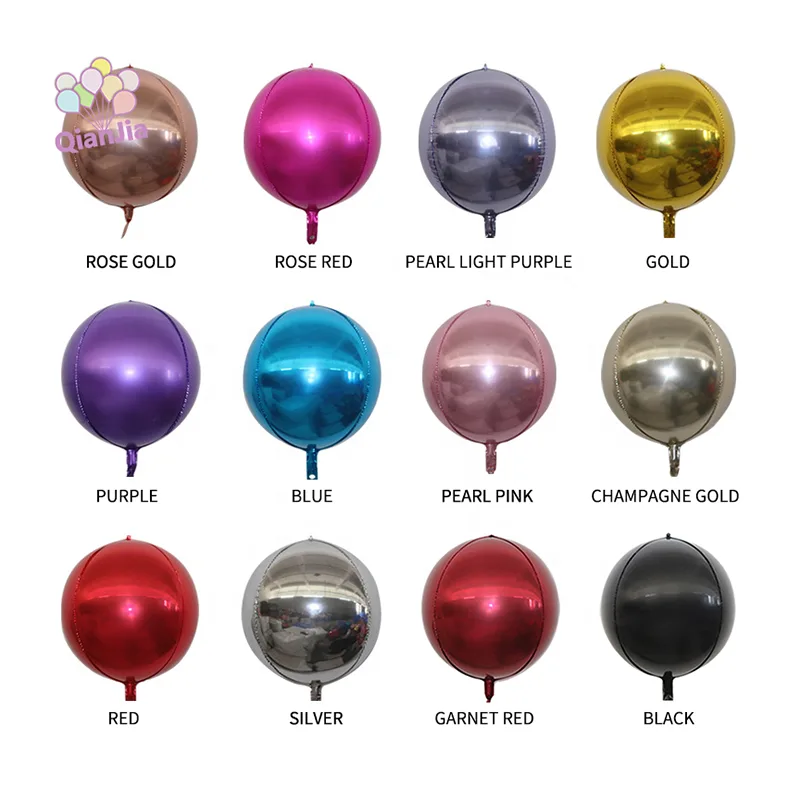
Sourcing directly from a latex balloon factory bypasses 40% in channel markups, enabling bulk acquisition at 65% of wholesale pricing. Direct procurement slashes administrative overhead by 22% annually, while precision control over latex wall thickness reduces defect rates from 5% to under 0.8% across 50,000-unit production cycles.
Procurement officers managing inventory for large-scale events typically face a 35% cost premium when relying on domestic brokers. Engaging a latex balloon factory shifts the financial baseline, as factory-direct transactions eliminate the layer of three to four intermediaries that inflate base costs by 15% to 25% per tier.
Independent supply chain audits conducted in 2025 indicate that mid-market distributors add an average of 38% to the final invoice price to cover facility rentals and regional logistics.
This direct acquisition model allows buyers to negotiate specific chemical compositions of natural rubber, ensuring compliance with international safety standards like EN71 or ASTM F963. When factories control the raw material input, they stabilize production costs by locking in bulk rubber prices before seasonal fluctuations hit the market, which occurred during the 2024 price surge where market spot rates jumped by 18% in one quarter.
| Cost Component | Distributor Sourcing | Factory-Direct Sourcing |
| Markup Percentage | 30% - 45% | 0% |
| Lead Time | 30 - 45 days | 15 - 25 days |
| Customization | Limited / Standard | Full / Technical |
Factory-direct logistics models utilize standardized shipping containers to optimize volume-to-weight ratios, saving approximately 12% on trans-oceanic freight costs. By coordinating directly with the production floor, buyers ensure that orders occupy 90% of a 40-foot container, avoiding the financial waste associated with partial shipments.
Streamlined communication with the manufacturing floor reduces the time spent on design revisions by 50% compared to traditional trading desk workflows. Reducing communication latency ensures that 95% of orders meet their specified dispatch dates, whereas reliance on middlemen often introduces an average delay of 7 business days per custom order.
Industrial-grade manufacturing facilities prioritize bulk output, where a single dipping line produces 8,000 units per hour, ensuring rapid fulfillment for high-volume requirements.
Direct integration with the production line allows buyers to request specific gram-weights for balloons, such as 1.5g or 2.8g variants, which directly influences the product’s burst pressure and elasticity. Controlling these physical parameters prevents the 10% inventory loss typically associated with inconsistent batches received from third-party aggregators.
Financial stability improves when procurement cycles are aligned with the factory's primary raw material procurement windows. Factories often offer a 5% discount on orders exceeding 200,000 units, a volume incentive rarely passed down by local distributors who operate on smaller, higher-margin transaction blocks.
Manufacturers maintain strict humidity and temperature controls, as rubber compounds degrade if stored outside the 18°C to 25°C range. Shipping directly from the source prevents the 3% product degradation rate observed when goods are held in poorly climate-controlled third-party warehouses for extended periods.
Directly interfacing with the plant ensures that the buyer receives current test reports for every batch, reducing internal compliance verification costs by 15%. Documented proof of quality, such as laboratory certification for heavy metal content, arrives with the shipment, eliminating the need for expensive third-party verification upon delivery.
Large-scale event planners who require custom Pantone color matching find that direct factory interaction reduces color variance by 20% across subsequent production runs. By retaining the original color formulas in the factory database, the manufacturer guarantees that the hue consistency for a 2026 event matches the specifications established in 2025.
Optimizing the supply chain requires moving away from reactive purchasing to a scheduled production model with the manufacturer. This shift reduces emergency shipping surcharges by 25%, as the production capacity is pre-allocated according to the buyer's documented quarterly demand forecast.